Startup Deals
India-Greece Trade Deal Aims to Double by 2030, Focused on Startups and Tech
Strategic tech and defense partnerships anchor $50B+ bilateral growth ambitions
Listen to ArticleBeta
0 min listen
Quick Takeaways
•Strategic tech and defense partnerships anchor $50B+ bilateral growth ambitions
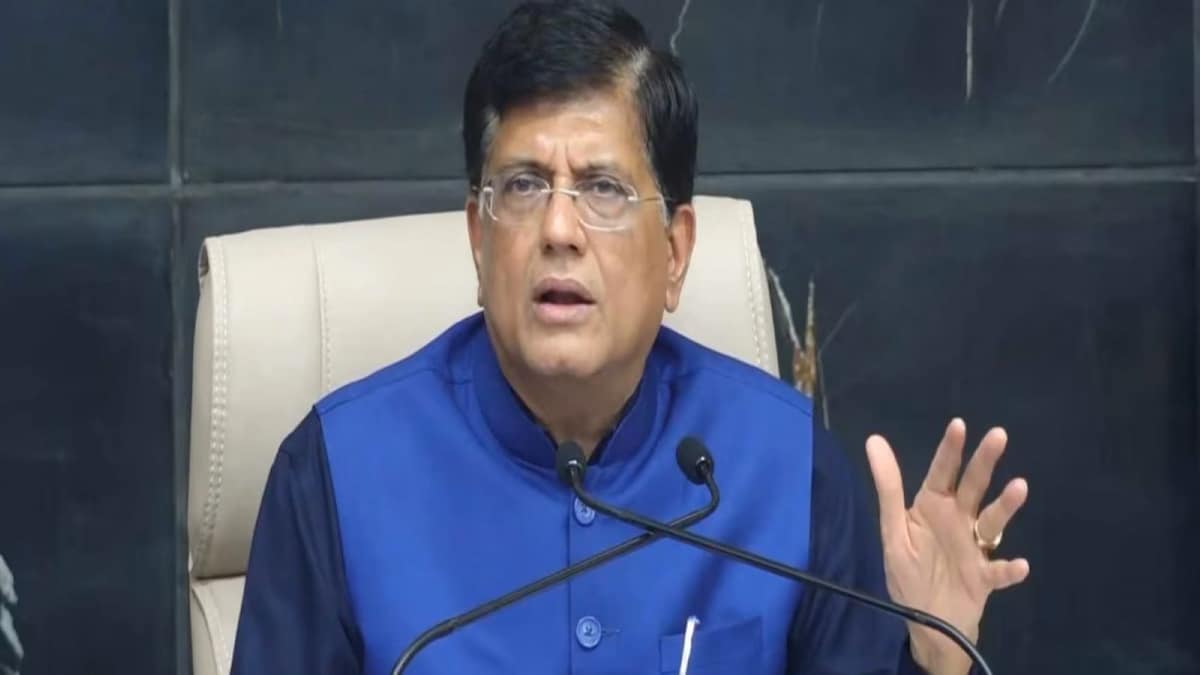
Commerce Minister Piyush Goyal’s high-level delegation to Athens signals a pivot from traditional trade to innovation-driven growth. The deal’s architecture prioritizes four pillars: technology startups, defense systems, infrastructure projects, and agricultural exports. This sectoral focus reflects a deliberate strategy to leverage Greece’s geographic position and India’s tech scale, creating a bridge between South Asia and the European Union’s tech ecosystems.
Deal Trigger & Incentives: For India, this partnership addresses two critical needs. First, it diversifies its tech supply chain beyond traditional hubs like Singapore and the UAE. Second, it secures a Mediterranean gateway for its startups to access EU markets through Greece’s membership in the bloc. For Greece, the deal offers capital infusion for its ambitious infrastructure projects—from port modernizations to renewable energy grids—while positioning itself as a tech innovation hub in the Eastern Mediterranean.
Strategic Leverage: The real value lies in cross-border startup collaboration frameworks. While specifics remain vague, Enterprise Greece’s Business & Investment Council will likely act as a matchmaking platform for Indian startups in AI, robotics, and cybersecurity to partner with Greek firms. This aligns with Greece’s $1.2B tech investment pledge under its 2023 National Recovery Plan. Defense collaboration—potentially involving India’s defense tech startups—adds geopolitical heft, complementing NATO’s southern flank strategy.
Risk & Execution Challenges: The partnership faces two critical hurdles. First, EU-India tech standards alignment—facilitated through the EU-India Trade and Technology Council (TTC)—remains undefined. Disparate regulatory frameworks could stifle interoperability in AI and data systems. Second, Greece’s bureaucratic inertia in executing large infrastructure projects could delay capital flow into startups. Both countries will need to operationalize their commitments faster than their track record on past agreements.
For investors, this deal marks a shift from transactional trade to strategic ecosystem integration. The success of India’s ‘Startup Greece’ corridor will hinge on how quickly both nations can align innovation policies, secure venture capital bridges, and navigate EU competition rules. The Mediterranean could soon become a new frontier for tech diplomacy—and a test case for how emerging markets leverage geopolitical alliances to build tech ecosystems.
Rate AI Loop Intelligence's Analysis
Your feedback directly trains our AI agents to improve.